
The Future of SEO: AI Search, E-E-A-T, and User Experience in 2026
SEO is no longer just about ranking webpages. In 2026, businesses must optimize for both traditional search engine results and AI-generated answers. Search platforms are evolving rapidly, with AI-powered systems delivering direct responses instead of simply displaying a list of links.
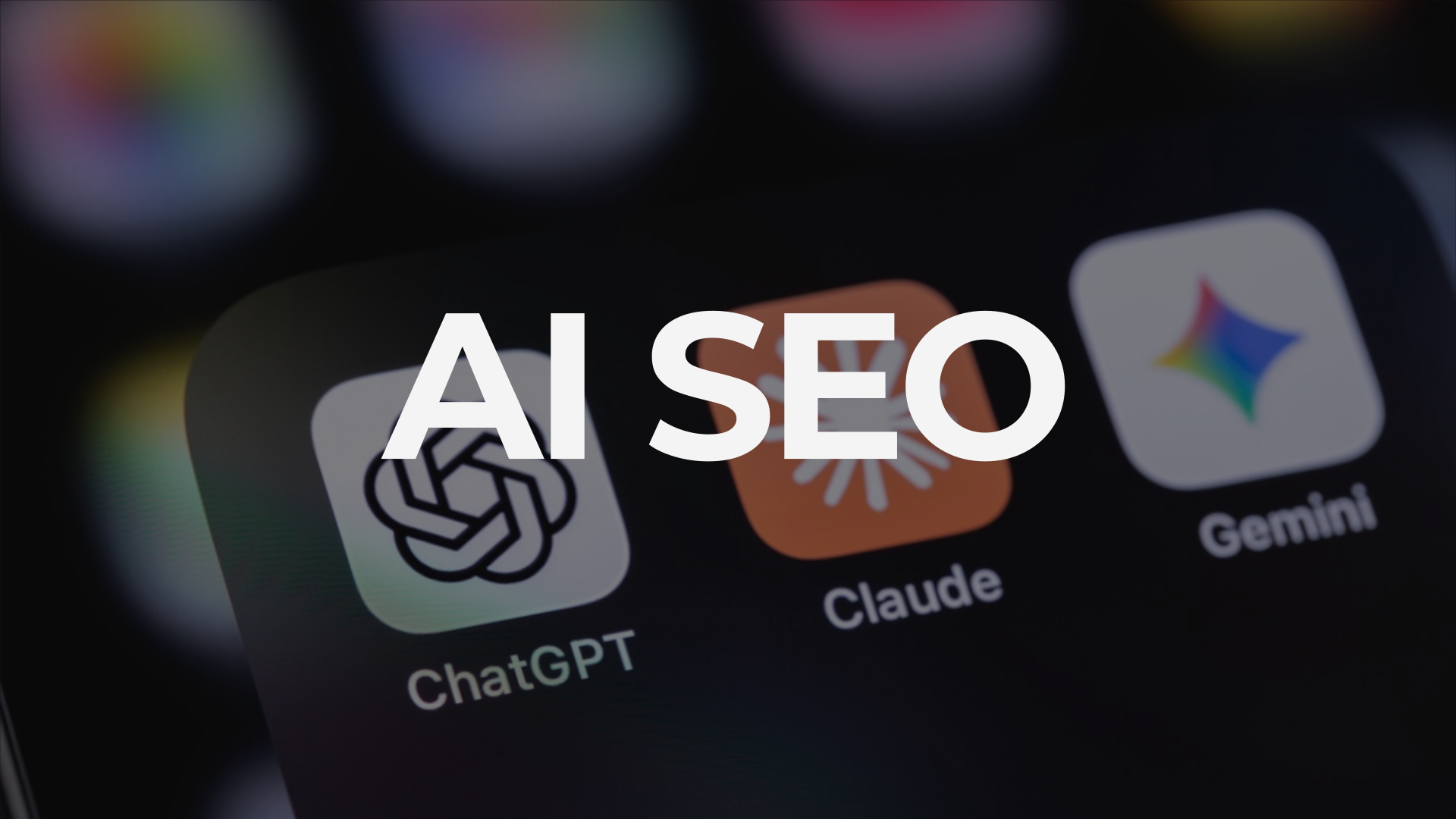
As Google AI Overviews, ChatGPT Search, Gemini, Perplexity, and other AI search engines become more influential, brands must rethink how they create content, build authority, and improve user experiences. The websites that succeed will be those that provide trustworthy information, demonstrate expertise, and deliver exceptional value to users.
In this guide, we’ll explore how AI Search Optimization, E-E-A-T SEO, and Search Experience Optimization are shaping the future of SEO and what businesses can do today to remain visible tomorrow.
Definition Snippet: What Is AI Search Optimization?
AI Search Optimization is the process of creating, structuring, and optimizing content so that AI-powered search engines and answer engines can easily understand, trust, and reference it in generated responses. It combines traditional SEO, E-E-A-T principles, structured data, and user-focused content strategies to increase visibility in both AI-generated answers and organic search results.
How AI Search Engines Are Changing SEO
The Shift from Keywords to Intent
For years, SEO primarily focused on matching keywords with user queries. Today, AI search engines have become significantly better at understanding context, intent, and meaning.
Rather than simply identifying exact-match keywords, AI systems analyze:
- User intent
- Search context
- Content quality
- Topical authority
- Brand credibility
- User engagement signals
This means businesses can no longer rely on keyword stuffing or thin content to achieve rankings.
Why AI Search Changes the Game
AI-powered search experiences are designed to answer questions directly. Users increasingly receive comprehensive responses without clicking multiple websites.
As a result, visibility now depends on becoming a trusted source that AI systems can confidently reference.
Platforms such as Google AI Overviews, ChatGPT Search, Gemini, and Perplexity prioritize content that is:
- Accurate
- Well-structured
- Comprehensive
- Expert-driven
- Regularly updated
The Rise of Zero-Click Search
More searches now end without a website visit because users find answers directly within search results.
While this may seem concerning, it creates a new opportunity.
Brands that consistently appear in AI-generated answers gain:
- Increased visibility
- Brand recognition
- Higher trust signals
- Greater authority within their industry
The future of SEO is not just about earning clicks. It’s about becoming the source that AI engines trust.
E-E-A-T: The Foundation of AI Search Rankings
What Is E-E-A-T SEO?
E-E-A-T stands for:
- Experience
- Expertise
- Authoritativeness
- Trustworthiness
These principles help search engines evaluate the quality and credibility of content.
For AI search engines, E-E-A-T has become even more important because generated answers require reliable sources.
Experience
AI systems increasingly value firsthand knowledge.
For example, a case study showing how a business improved organic traffic by 120% carries more weight than generic advice copied from other websites.
Practical examples, implementation stories, and real-world insights demonstrate genuine experience.
Expertise
Content should be written or reviewed by professionals with subject matter expertise.
Businesses should:
- Publish expert insights
- Include author profiles
- Showcase industry knowledge
- Provide accurate information
Authoritativeness
Authority is built through:
- Quality backlinks
- Brand mentions
- Industry recognition
- Thought leadership content
The stronger your authority signals, the more likely AI systems are to reference your content.
Trustworthiness
Trust remains the most important factor.
Websites should ensure:
- Secure HTTPS implementation
- Transparent business information
- Accurate claims
- Updated content
- Reliable sources
AI search engines are designed to prioritize information users can trust.
Search Experience Optimization (SXO): SEO Beyond Keywords
What Is Search Experience Optimization?
Search Experience Optimization (SXO) combines SEO and user experience principles to create content and websites that satisfy both search engines and users.
Instead of focusing solely on rankings, SXO focuses on delivering a seamless journey from search query to final conversion.
Why User Experience Matters More Than Ever
AI search engines evaluate user satisfaction signals.
A website that loads quickly, provides clear answers, and delivers a positive experience is more likely to earn visibility.
Important UX factors include:
- Fast page speed
- Mobile responsiveness
- Easy navigation
- Readable content
- Clear calls to action
- Accessibility
Core Web Vitals and User Experience
Google continues to emphasize Core Web Vitals as indicators of page experience.
Businesses should optimize:
- Largest Contentful Paint (LCP)
- Interaction to Next Paint (INP)
- Cumulative Layout Shift (CLS)
Improving these metrics can strengthen both search performance and user satisfaction.
Bullet Snippet: What AI Engines Look for Before Recommending a Website
Before referencing a website in AI-generated answers, search engines typically evaluate:
- Demonstrated expertise
- Comprehensive topic coverage
- Strong E-E-A-T signals
- Structured data implementation
- Fast-loading pages
- Clear content hierarchy
- Brand authority
- User engagement metrics
- Content freshness
- Search intent alignment
What AI Engines Look for Before Recommending Your Website
Content Quality Signals
AI systems prioritize content that answers user questions clearly and comprehensively.
High-performing content often includes:
- Original insights
- Data-backed information
- FAQs
- Practical examples
- Actionable recommendations
Technical SEO Signals
Technical foundations remain essential.
Key areas include:
- Schema markup
- Structured data
- Crawlability
- XML sitemaps
- Mobile optimization
- HTTPS security
Structured data helps search engines understand content entities and relationships more effectively.
Trust Signals
Trust indicators help AI systems assess credibility.
Examples include:
- Positive reviews
- Industry certifications
- Customer testimonials
- Author credentials
- Brand mentions
The stronger your trust signals, the greater your likelihood of being referenced in AI-generated results.
Numbered Snippet: How to Rank in Both AI Search and Traditional SERPs
Create content that directly answers user questions.
Build topical authority around core subjects.
Implement schema markup and structured data.
Demonstrate strong E-E-A-T signals.
Improve Core Web Vitals and user experience.
Publish original insights and case studies.
Update content regularly.
Earn authoritative backlinks and brand mentions.
Optimize for conversational search queries.
Focus on helpful content rather than keyword density.
SEO Trends Businesses Should Watch in 2026
Several trends are shaping the future of SEO:
AI-Powered Search Experiences
AI-generated answers will continue to become more sophisticated and personalized.
Conversational Search
Users increasingly search using natural language questions rather than short keyword phrases.
Entity-Based SEO
Search engines are becoming better at understanding entities, relationships, and context.
Brand Authority as a Ranking Factor
Brands with strong reputations will gain greater visibility across AI-powered platforms.
Human-Centered Content
Content that demonstrates expertise and authentic experience will outperform generic AI-generated articles.
How Uveler Helps Businesses Stay Ahead of AI Search
As search evolves, businesses need strategies that align with both traditional SEO and emerging AI search technologies.
Uveler helps organizations prepare for this shift through:
- AI Search Optimization strategies
- Technical SEO audits
- E-E-A-T-focused content development
- Website performance optimization
- Search Experience Optimization
- Content marketing and topical authority building
Our approach focuses on sustainable visibility, helping businesses become trusted sources for both search engines and AI-powered answer platforms. For a Cyprus-specific take, see our AI search guide for Cyprus SMEs.
For organizations looking to future-proof their digital presence, investing in AI-ready SEO strategies today can create a significant competitive advantage tomorrow. Learn more about Uveler’s SEO and AI Search services.
Conclusion
The future of SEO is not about choosing between traditional search and AI search. Success in 2026 requires optimizing for both.
Businesses that prioritize E-E-A-T, user experience, structured data, and helpful content will be best positioned to earn visibility across Google, AI Overviews, ChatGPT Search, Gemini, Perplexity, and future AI-driven search experiences.
The websites that win will not be those producing the most content. They will be the ones creating the most trustworthy, useful, and authoritative content.
FAQ Section
What is AI Search Optimization?
AI Search Optimization is the practice of improving content, technical SEO, and authority signals so AI-powered search engines can understand, trust, and reference your website in generated answers.
How does E-E-A-T affect SEO rankings?
E-E-A-T helps search engines assess content quality through experience, expertise, authoritativeness, and trustworthiness. Strong E-E-A-T signals can improve visibility in both traditional search and AI-generated results.
Can websites rank in both AI search and traditional SERPs?
Yes. Websites that focus on high-quality content, structured data, strong E-E-A-T, and excellent user experiences can perform well in both environments.
What is Search Experience Optimization (SXO)?
SXO combines SEO and user experience strategies to improve search visibility while creating a better experience for users after they land on a website.
What SEO strategies will matter most in 2026?
The most important strategies include AI Search Optimization, entity-based SEO, E-E-A-T implementation, topical authority building, Core Web Vitals optimization, and creating genuinely helpful content.
About Uveler: Uveler is a full-service digital marketing agency in Limassol, Cyprus. We help Cyprus businesses with SEO and AI Search, PPC and paid media, branding, web design and ecommerce, social media, email marketing, and AI automation. Let’s talk.
Reviewed by Themis Christou, Managing Director | Co-Founder.